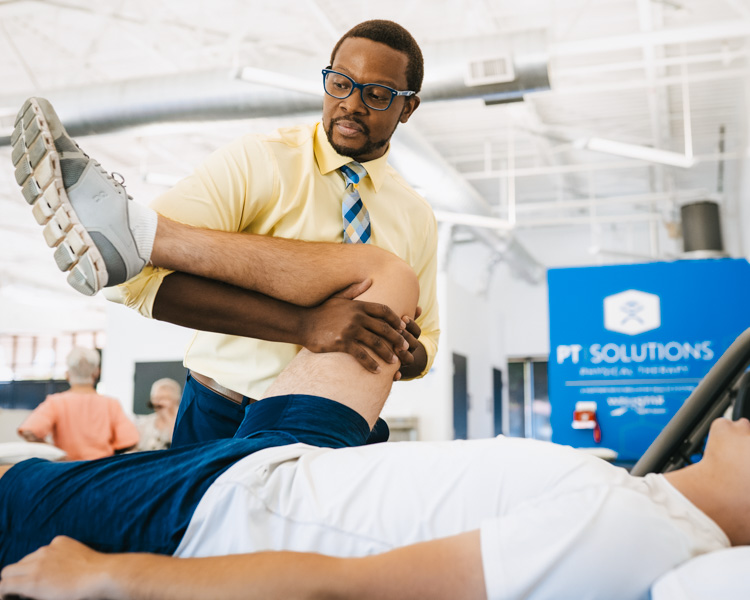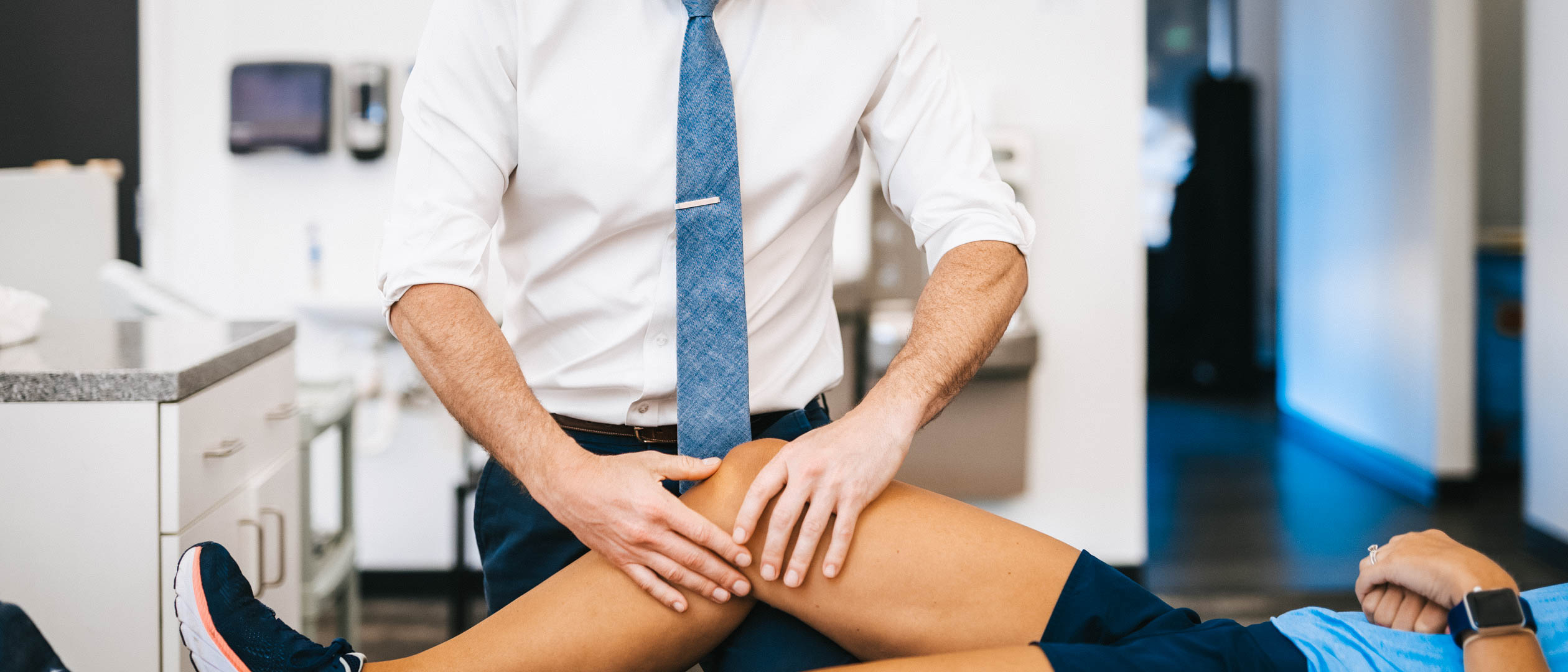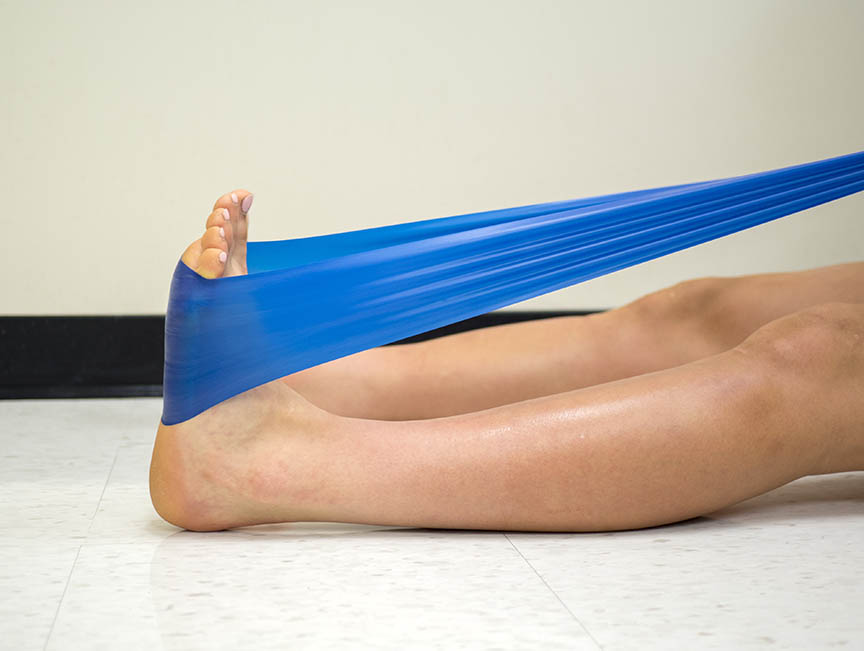
Knee pain refers to discomfort in or around the knee joint that can affect walking, stair use, squatting, and sport or recreational activity. Physical therapy addresses knee pain by rebuilding the strength and neuromuscular control of the quadriceps, hamstrings, and hip stabilizers that support the knee joint under load.
Caused by an injury, arthritis, muscle imbalances, or overuse, knee pain is one of the most common musculoskeletal complaints among people of all ages. Minor knee pain sometimes goes away on its own. But untreated knee pain might get worse or lead to future complications. If your knee hurts, the best course of action is to pay a visit to your medical provider to get your condition evaluated and find the appropriate treatment. For many cases of knee pain, that involves physical therapy.
Knee pain can present in different ways depending on the cause, severity, and underlying condition. If you experience any of these symptoms, physical therapy for knee pain can help identify and treat the root cause. Common symptoms include:
Knee pain typically comes from sudden injuries, repetitive movements, or long-term wear and tear loading without adequate recovery. Understanding the cause can help you find the best treatment, here are the most common causes of knee pain:
At PT Solutions, we use a comprehensive, hands-on approach to physical therapy for knee pain, combining education, therapeutic exercise, and manual therapy to address the root cause of your discomfort. Example activities of our evidence-based treatment plan include:
Physical therapy at PT Solutions is a highly effective, non-invasive approach to treating knee pain, helping individuals recover mobility, reduce discomfort, and prevent future injuries. Here are the key benefits of physical therapy for knee pain:
Knee pain can come from injury, arthritis, overuse, tendon irritation, bursitis, or changes in how the hip, knee, ankle, and foot move together. Pain may also build gradually from running, sports, stairs, squatting, or daily activity.
Physical therapy can help many types of knee pain by improving strength, mobility, balance, and movement patterns. A therapist can also help adjust activities that may be placing extra stress on the knee.
Knee pain should be checked if you cannot bear weight, have major swelling, cannot fully bend or straighten the knee, notice instability, or have severe pain after an injury. Fever with redness, pain, and swelling should also be evaluated.
Knee pain can happen without one clear injury. Common reasons include arthritis, tendon irritation, muscle weakness, overuse, poor movement mechanics, or repeated stress from work, exercise, or sports.
It depends on the cause of the pain. In general, pause or modify exercises that increase pain, swelling, limping, or instability. A physical therapist can guide safer strength, mobility, and return-to-activity exercises based on how your knee moves.
Knee pain during sports or exercise can happen when the knee is taking on more stress than it can manage. Common contributors include muscle weakness, limited mobility, poor landing mechanics, overuse, or movement patterns involving the hip, knee, ankle, and foot.
Mar 28, 2018
Jan 28, 2016
Oct 10, 2021
May 26, 2015
Sep 05, 2021
Dec 23, 2025
At PT Solutions, expert physical therapists near you use a personalized, evidence-based approach to help you move better and feel better—without relying on medication or surgery.