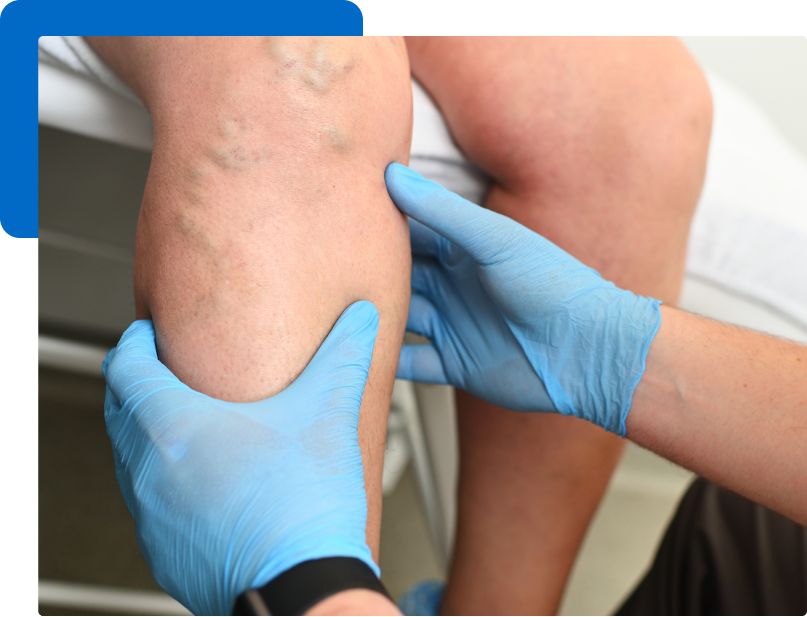
Lymphedema treatment addresses chronic swelling caused by impaired lymphatic drainage following cancer treatment, surgery, infection, or trauma that damages the lymphatic system. Physical therapy for lymphedema helps reduce limb volume, improve tissue quality, and teach patients the home care techniques needed to maintain results over time.
Lymphedema can be painful and uncomfortable. The swelling, tightness, and diminished flexibility can make the simplest of tasks difficult. Treating your lymphedema with physical therapy provides the relief you need. Through a combination of exercises, manual therapy, and patient education, lymphedema therapy will help reduce the pain and swelling.
At PT Solutions, our physical therapists will become vital members of your healthcare team. Find lymphedema treatment at a location near you.
This service is available at select locations. Please contact your preferred clinic for more information.
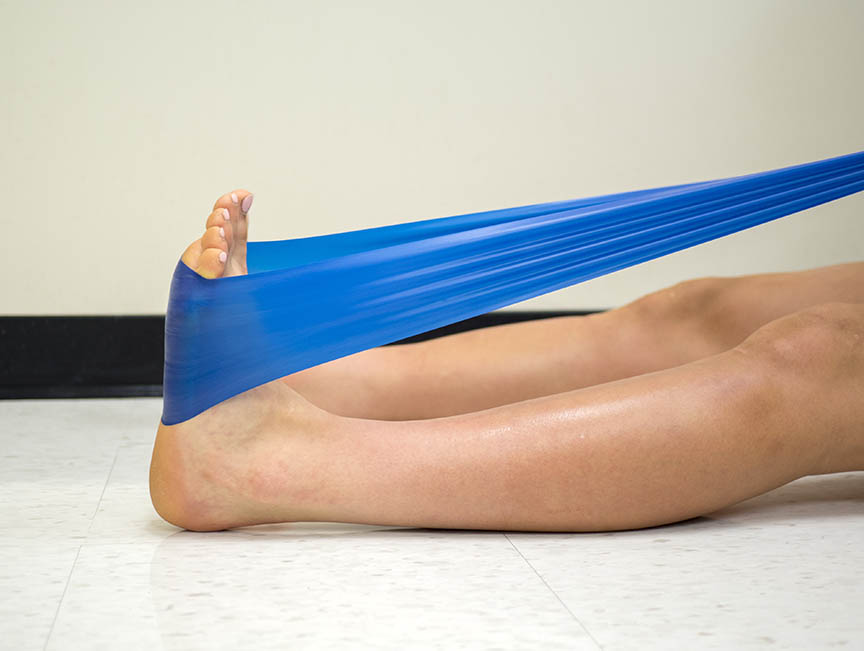
Lymphedema treatments vary from patient to patient and depend on the severity of the condition. For example, swelling is often milder in the early stages of lymphedema and would be managed differently than in a more severe case.
Common interventions our therapists use include:
Lymphedema treatments vary from patient to patient and depend on the severity of the condition. For example, swelling is often milder in the early stages of lymphedema and would be managed differently than in a more severe case.
Common interventions our therapists use include:
Physical therapy can help manage lymphedema by supporting swelling control, movement, skin care, and self-management. Treatment may include manual lymph drainage, compression, exercise, and education based on each patient’s needs.
Gentle, controlled exercise is often used to help muscles move fluid through the lymph system. The best exercises depend on the body area affected, swelling level, strength, mobility, and whether compression is recommended.
Lymphedema symptoms may worsen with infection, skin irritation, injury, poorly fitted compression, long periods of inactivity, or sudden changes in activity. A therapist can help identify habits that may be affecting swelling.
Avoid exercises that quickly increase swelling, pain, heaviness, or skin tightness. Many people can stay active with the right plan, but exercise should progress gradually and follow guidance from a lymphedema-trained provider.
Yes. When swelling affects movement after surgery or injury, lymphedema treatment may help improve comfort, mobility, and daily function. Care may include compression, movement, manual lymph drainage, and education when appropriate.
Lymphedema can be managed with the right treatment. Reach out to learn how our physical therapists can help.