TMJ treatment through physical therapy addresses pain, limited mobility, and dysfunction of the temporomandibular joint and surrounding jaw muscles that affect chewing, speaking, and facial comfort. Physical therapy addresses TMJ dysfunction through manual therapy to the jaw and cervical spine, jaw mobility exercises, postural retraining, and patient education on movement habits that reduce load on the joint.
There is a close relationship between the cervical spine, TMJ, and masticatory (chewing) system creating the potential for pain of cervical origin to affect the facial area.
Poor cervical spine dysfunction can result in increased tone and trigger points in both jaw and cervical musculature. The resulting hypertonicity of specific muscles, including the masseter and temporalis, leads to myofascial pain.
If you are experiencing orofacial pain, systematic and well-rounded treatment such as physical therapy will fully dissolve your pain.

Symptoms vary from patient to patient, but the most common include:
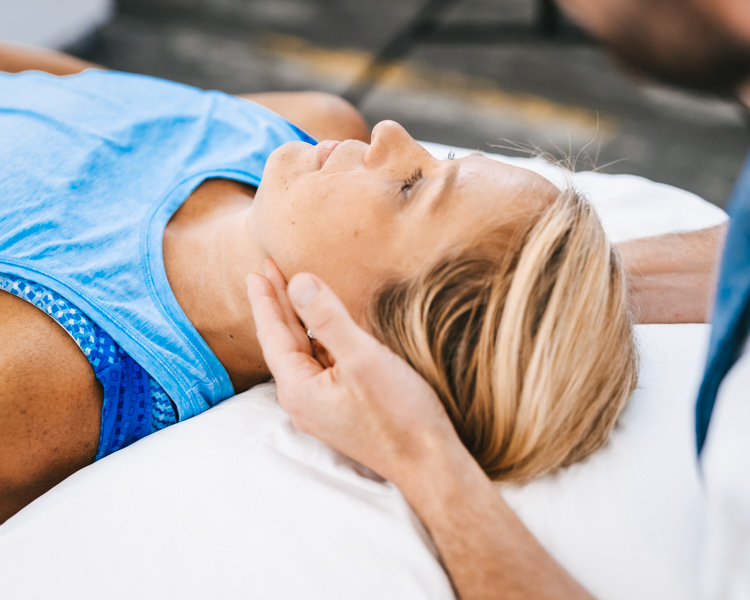
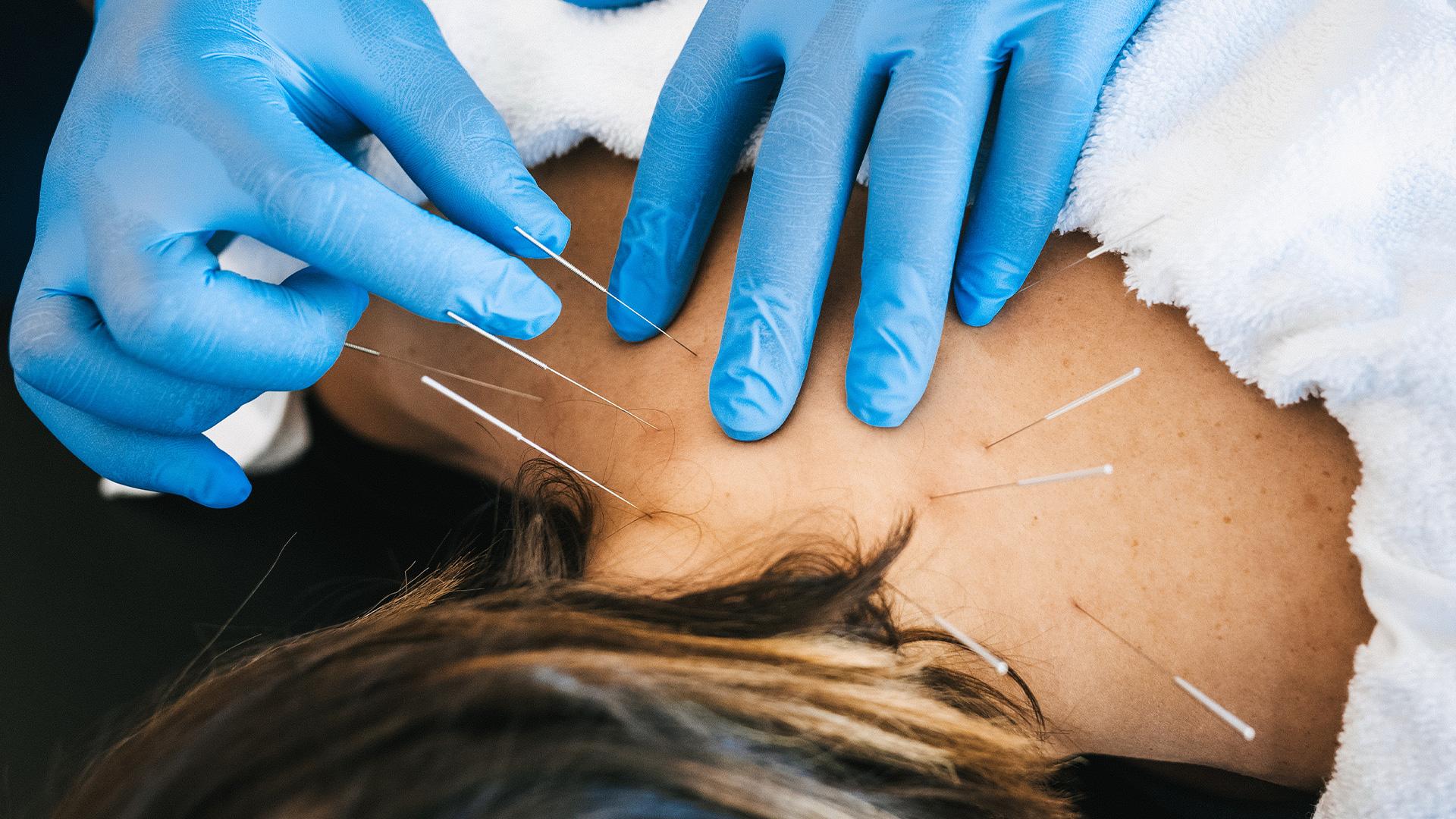
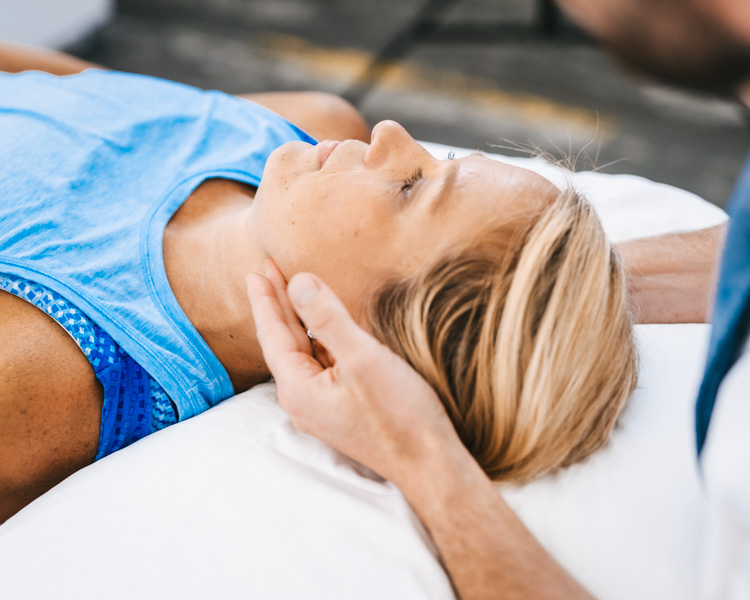
PT Solutions can play an active role alongside your dentist to relieve pain and improve the dysfunction of the TMJ. Our multi-disciplinary approach includes a variety of interventions, including:
Physical therapists may assess jaw motion, neck mobility, posture, muscle tension, and how symptoms affect chewing, speaking, or daily comfort. Treatment may include jaw exercises, manual therapy, posture training, and education.
TMJ refers to the temporomandibular joint, but TMJ disorders can involve the joint, jaw muscles, or both. Symptoms may include jaw pain, stiffness, clicking, limited motion, headaches, or pain that spreads to the face or neck.
The timeline depends on symptom severity, jaw mobility, muscle tension, daily habits, and how long symptoms have been present. Some patients improve with a short plan, while others need longer care to build better jaw control and comfort.
TMJ exercises may include gentle jaw opening, controlled closing, relaxation work, posture training, and strengthening for the muscles that support jaw movement. The right exercises depend on your evaluation and symptoms.
Yes. The jaw, neck, shoulders, and posture can all influence how the jaw moves and how much tension builds around it. Orthopedic physical therapy may address neck mobility, posture, breathing, and muscle control when these factors contribute.
Our physical therapists can help relieve TMJ symptoms and improve jaw function. Schedule your evaluation today and take the first step toward lasting relief.