Runner’s Knee (PFPS) Treatment and Recovery
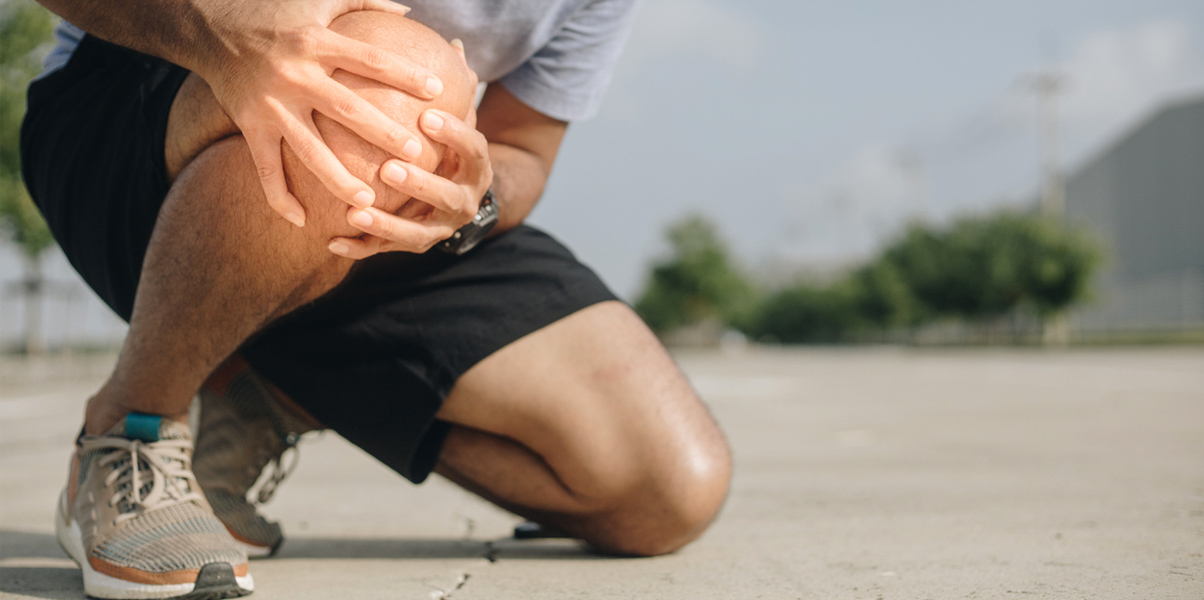
If you’ve ever felt a dull ache behind your kneecap after a long run, walk, or even sitting too long, you’re not alone. This is often Runner’s Knee, medically known as Patellofemoral Pain Syndrome (PFPS). It’s one of the most common causes of chronic knee pain, affecting both runners and non-runners alike.
Runner’s Knee happens when the kneecap doesn’t move smoothly along the groove of the femur. The result is irritation, inflammation, and discomfort that can make stairs, squats, or even bending the knee painful. The good news? With early treatment and targeted physical therapy for Runner’s Knee, most people recover fully and return to their routines stronger than before.
What Causes Runner’s Knee?
Runner’s Knee develops from repetitive stress on the joint, especially from high-impact or overuse activities. Every stride you take sends force through your knees, and if your muscles aren’t balanced or aligned correctly, that pressure can irritate the cartilage and tissues around the kneecap.
Common causes include:
- Weak hip or quadriceps muscles
- Overtraining or sudden mileage increases
- Flat feet or improper running shoes
- Tight hamstrings or calves
- Poor movement mechanics
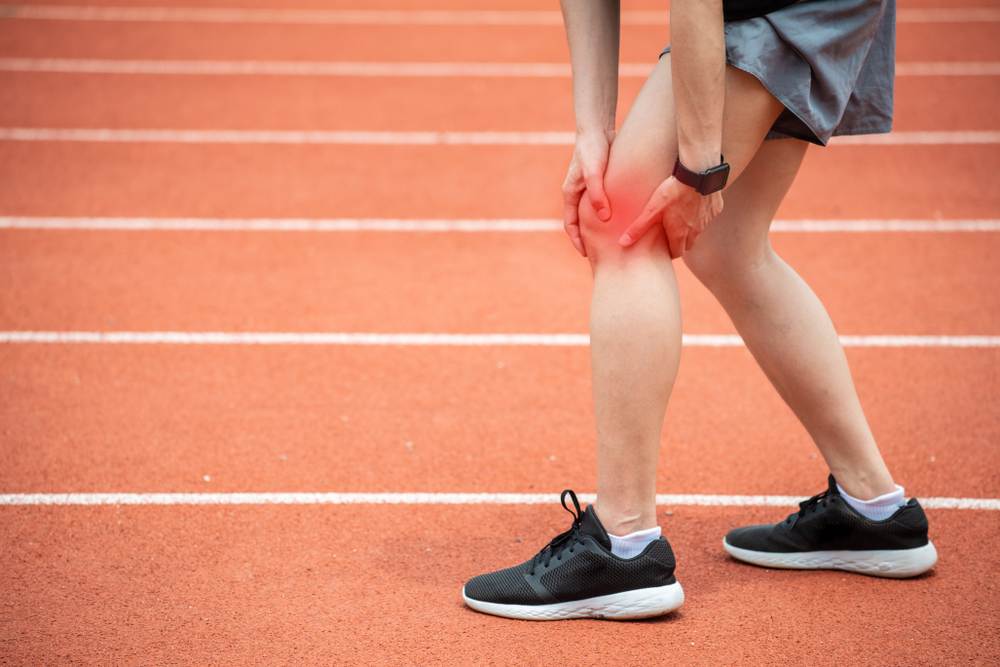
This condition isn’t limited to athletes. Anyone who walks frequently, climbs stairs, or works on their feet for long hours can develop Runner’s Knee. The key to recovery lies in early intervention, often through customized Runner’s Knee treatments like guided strengthening and activity modification.
Common Symptoms of Runner’s Knee
Symptoms often start subtly and worsen with repetitive activity. The most common signs include:
- Dull, aching pain under or around the kneecap
- Pain that worsens when climbing stairs, squatting, or sitting for long periods
- Swelling or tenderness in the front of the knee
- A clicking or grinding sensation when bending the knee
These symptoms can vary depending on severity and duration. Mild cases may resolve in a few weeks with proper rest and stretching. More chronic cases may take longer to refine strength and control, especially if muscle imbalances or movement issues are left unaddressed.
That’s why many people choose to work with a physical therapist early on, to shorten their Runner’s Knee recovery time and prevent recurrence.
Physical Therapy for Runner’s Knee (PFPS Treatment)
When it comes to Runner’s Knee physical therapy, treatment focuses on restoring balance, strength, and proper movement around the joint. The main goal is to reduce pain, improve patellar tracking, and increase flexibility in the hips and legs.
Your physical therapist will tailor a plan that may include manual therapy, movement retraining, and specific exercises and stretches for Runner’s Knee. These treatments improve load-bearing and dynamic motion while providing proper support.
These personalized programs not only relieve current pain but also build long-term strength, making the knee more resilient. Many programs feature Runner’s Knee stretching exercises that enhance range of motion while teaching better joint control, a key factor in long-term recovery.
Exercises to Strengthen Knees for Runners
Rehabilitation for Patellofemoral Pain Syndrome (PFPS) is built around movement, specifically, restoring strength where it matters most. Strengthening the hips and thighs helps stabilize the kneecap, while flexibility work keeps the surrounding tissue healthy and responsive.
Exercises to strengthen knees for runners include:
- Glute bridges: Strengthen your posterior chain and hip stabilizers.
- Clamshells: Target the gluteus medius for better lateral hip support.
- Wall sits: Build endurance in the quads and improve knee stability.
- Sit-to-stand: strengthen the quadriceps and glutes, which helps take the load off the knee joints
- Step-downs: Retrain eccentric control of the quads for better patellar tracking.
- Foam rolling and dynamic stretches: Useful to keep the quads loose.
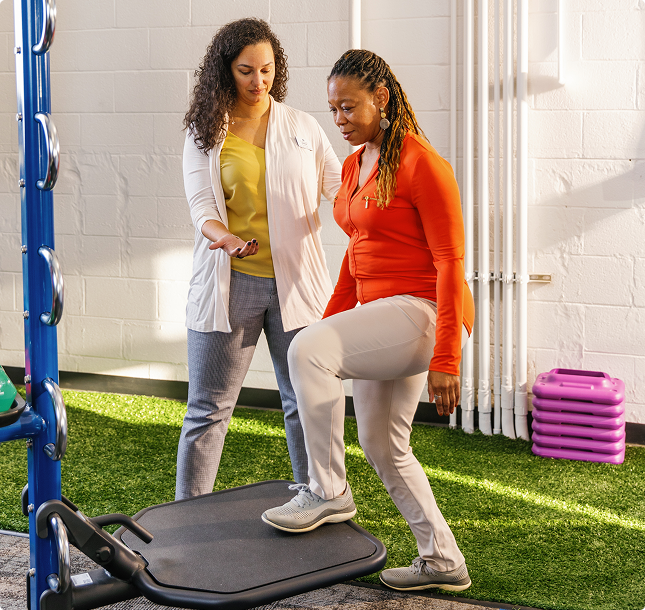
Your therapist will progress you gradually, starting with low-impact movements and building toward functional drills that mimic running or athletic movement. Consistency is key; the more structured your strengthening program, the shorter your recovery time and the lower your risk of reinjury.
How to Treat Runner’s Knee and Prevent Recurrence
Most Runner’s Knee treatments combine rest, gradual loading, and professional guidance. The aim isn’t just to stop pain but to fix what caused it in the first place.
An effective treatment plan often includes:
- Activity modification: Reducing high-impact workouts temporarily.
- Cross-training: Swimming or cycling to stay active without stressing the knee.
- Taping or bracing: Supporting proper patellar alignment during recovery.
- Custom orthotics: Addressing flat feet or gait imbalances.
- Strength training: Focusing on hips, thighs, and core stability.
Learning how to treat Runner’s Knee is about creating long-term habits, not quick fixes. A well-rounded program ensures that even after recovery, you continue to move better, train smarter, and stay pain-free.
Runner’s Knee Recovery Timeline: What to Expect
Recovery depends on how early you start treatment and how consistent you are with rehab.
Here’s a general timeline:
- Mild cases: 2–4 weeks with rest, stretching, and light strengthening.
- Moderate cases: 4–8 weeks of structured therapy for strength and flexibility.
- Chronic or recurring pain: 8–12+ weeks of guided physical therapy, movement retraining, and gradual return to running.
Your physical therapist can help define a timeline specific to your condition and activity level. The focus isn’t just symptom relief, it’s rebuilding durable strength and confidence so you can return to running safely.
Why Physical Therapy Matters for Lasting Knee Health
Physical therapy goes beyond symptom management. It focuses on long-term solutions, improving joint alignment, strengthening weak muscles, and preventing future irritation. By addressing both the cause and the effect, therapy ensures that your knees can handle life’s demands, whether that’s marathon training or walking your dog pain-free.
If you’ve been dealing with chronic knee pain, don’t wait for it to get worse. A licensed physical therapist can assess your movement, identify the root cause, and build a recovery plan that fits your goals.
PT Solutions offers care that restores motion and confidence through individualized programs backed by research and results. Find a clinic near you to take the first step toward pain-free running.
FAQ: Runner’s Knee and Patellofemoral Pain Syndrome
How long does Runner’s Knee take to heal?
Recovery depends on the severity and consistency of rehab. Mild cases often improve within 4 weeks, while more advanced PFPS may take 6–12 weeks with structured physical therapy.
Can I keep running with Runner’s Knee?
You can, but only under professional guidance. If pain persists or alters your stride, it’s best to pause training and work with a physical therapist to modify your activity safely.
What kind of knee brace helps Runner’s Knee?
A patellar tracking brace or sleeve can help guide the kneecap and reduce strain during movement. Your physical therapist can recommend the right type based on your specific needs.
How long does patellofemoral pain syndrome last?
Recovery time varies, but most people notice improvement within six to eight weeks of guided physical therapy. Chronic cases may take longer if movement imbalances or tightness aren’t corrected. Consistency with exercises shortens recovery time and helps prevent recurrence.
About the PT
Jordan Noffey is a physical therapist and certified strength and conditioning specialist. He earned his Bachelor of Science degree in Exercise Science from West Chester University of Pennsylvania and went on to complete his Doctorate of Physical Therapy at Upstate Medical University in Syracuse, New York. During the completion of his graduate degree, Jordan gained valuable experience and knowledge in the field of exercise, health, and wellness as he worked as a strength and conditioning coach as well as a personal trainer. His interests evolved throughout graduate school and led to research in testing hip strength in patients with foot and ankle conditions. This research was later presented at the Mid-Atlantic Chapter of the American College of Sports Medicine Conference. Jordan is passionate about treating athletes of all ages and skill levels, as well as returning them to their activities in a condition in which they can perform better than previously with less risk of injury.