ACL Injury: Symptoms, Definition, and How to Prevent Them
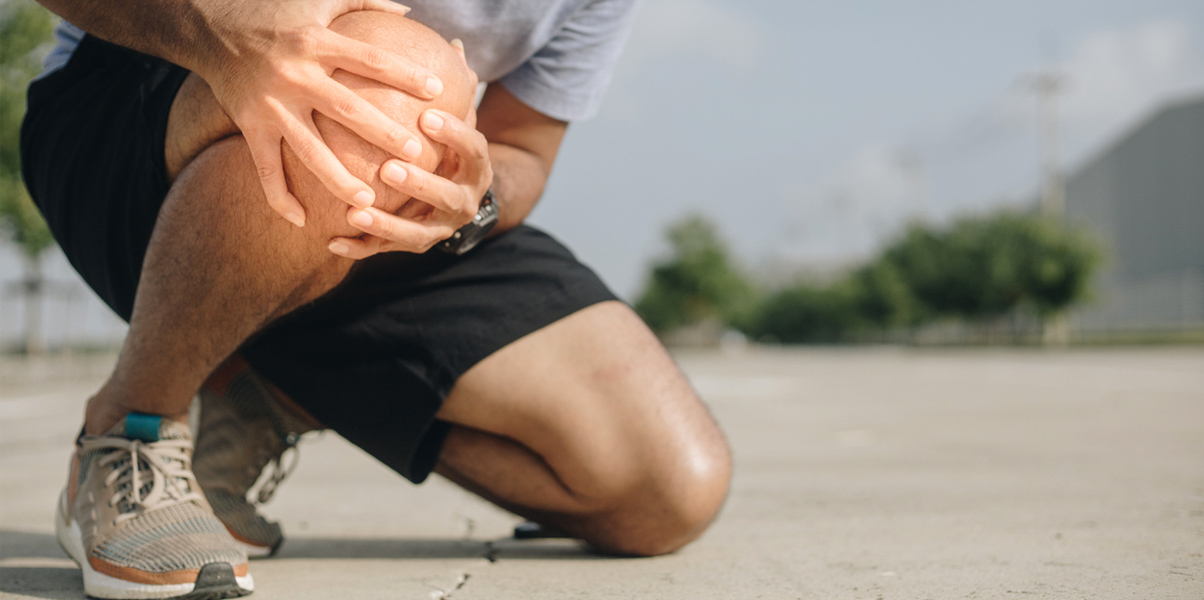
One bad step can change everything. A quick pivot, an awkward landing, or a fast deceleration, and suddenly your knee pops, swells, and stops supporting you. ACL injuries interrupt training, competition, and daily life. They raise immediate questions. What happened? What grade is the ACL injury? Does this require surgery? How long does an ACL injury take to heal?
This guide breaks down what an ACL injury is, how it happens, what symptoms matter, and how physical therapy supports both non-surgical and surgical recovery.
What Is an ACL Injury?
The anterior cruciate ligament (ACL) stabilizes your knee during cutting, pivoting, and sudden direction changes. It prevents the shin bone from sliding forward and keeps the knee from shifting under load. ACL injuries are common in soccer, football, and basketball because these sports demand rapid acceleration, deceleration, and unpredictable movement.
Most athletes report hearing or feeling a pop. Swelling builds quickly. The knee becomes painful, stiff, and often unstable. These early signs tell you the ACL needs immediate attention.
ACL Injury Symptoms
ACL injury symptoms develop fast. Swelling usually begins within the first hour. The knee may feel unstable or like it could “give way,” especially during twisting or directional changes. Pain increases with bending or straightening. Bruising and stiffness follow as inflammation settles in.
If your knee feels unstable, cannot bear weight comfortably, or shows rapid swelling after a pivot, jump, or collision, a physical therapist can evaluate how the knee is functioning and identify signs of ACL involvement. Based on this assessment, they can help guide whether further imaging or consultation with an orthopedic physician is appropriate. Early evaluation protects the joint and helps guide the safest next steps.
ACL Injury Grades and Recovery Expectations
ACL injuries are categorized into three grades based on ligament damage. Understanding these grades helps determine recovery time and whether surgery is necessary.
Grade 1 ACL Injury
The ligament is stretched but not torn. The knee may feel sore or mildly unstable, but the joint still functions.
Grade 1 ACL tear recovery time is usually one to two weeks, depending on swelling, quad activation, and sport demands. Early physical therapy focuses on restoring range of motion, improving strength, and regaining balance.
Grade 2 ACL Injury
A partial tear creates more pain, swelling, and occasional instability. Recovery can take six to twelve weeks with structured physical therapy. Some athletes benefit from bracing or activity modification during healing.
Grade 3 ACL Injury
A complete tear leaves the knee unstable during cutting, pivoting, and impact activities. Athletes who want to return to high-level sports often choose ACL reconstruction. Recovery blends prehab, surgery, and post-operative rehabilitation lasting nine to twelve months.

Do All ACL Tears Need Surgery?
Not all ACL injuries require surgery. The decision depends on the degree of the tear, how stable the knee feels, and your activity goals.
Many people with stable knees, partial tears, or lower activity demands improve with a structured physical therapy program. In these cases, therapy restores strength, reduces swelling, improves movement mechanics, and helps the knee function well without surgical intervention.
Surgery becomes appropriate only when instability continues to interfere with daily movement or when athletes want to return to high-impact sports that demand cutting, pivoting, or rapid directional changes. Even then, conservative care is often explored first to determine how the knee responds before moving toward reconstruction.
Whether recovery is surgical or non-surgical, physical therapy builds the foundation for stability, confidence, and long-term knee health.
ACL Injuries in Sports
ACL injuries happen often in sports that demand quick cuts, pivots, and explosive movement. Soccer, football, basketball, volleyball, and skiing place heavy stress on the knee, making athletes more likely to experience the classic pop, rapid swelling, and sudden instability.
For athletes, recovery is about more than healing the ligament. Physical therapy for sports focuses on strength, balance, landing mechanics, and sport-specific movement patterns to protect the knee during high-speed play. Return-to-sport testing ensures athletes have the power, control, and confidence needed to compete safely and reduce the risk of re-injury.
Physical Therapy Before and After ACL Surgery
When ACL reconstruction is needed, the recovery process actually begins before the procedure. Pre-surgery physical therapy prepares the knee for the demands of healing by reducing swelling, restoring full knee extension, and improving quadriceps activation. This early phase, often called prehab, creates a stronger foundation and leads to better long-term outcomes. Athletes who complete prehab typically begin post-operative recovery with better motion, less stiffness, and more confidence.
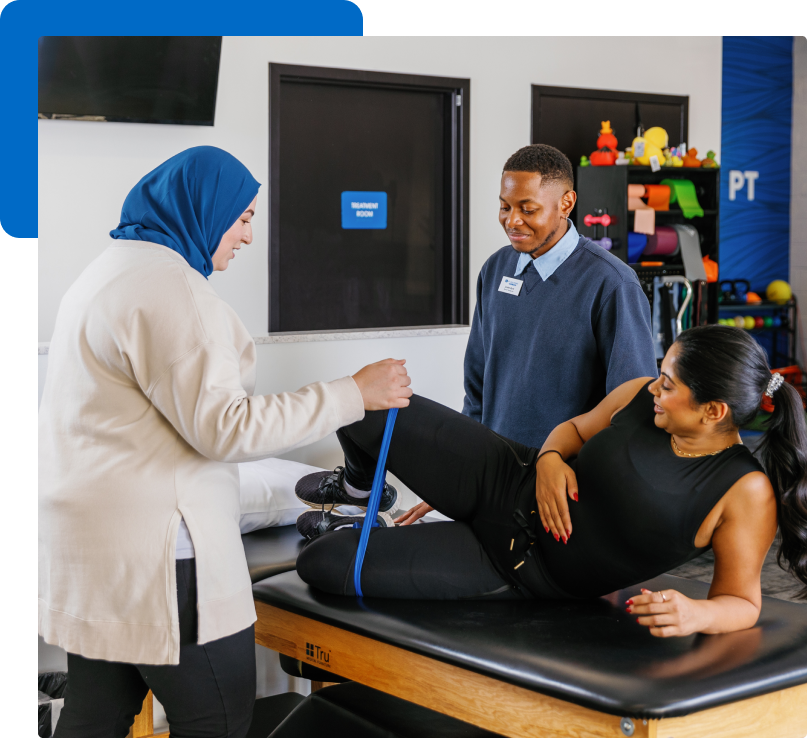
After surgery, physical therapy becomes the center of ACL tear treatment. The first phase focuses on regaining motion, improving gait, and controlling swelling. As strength returns, therapy progresses into controlled impact, balance work, and movement retraining to support stability. Later stages introduce agility drills, running progression, and sport-specific testing to determine readiness for return to play.
This structured approach plays a major role in ACL injury recovery time, guiding athletes safely through each step of the healing process. High-quality physical therapy before and after ACL surgery ensures the knee regains strength, control, and the movement patterns needed to return to sport with confidence.
If you’re dealing with knee instability or recovering from an ACL injury, working with a physical therapist early can help guide the right next steps. You can find a PT Solutions clinic near you to schedule an evaluation and get a personalized recovery plan.
FAQs
How long does an ACL injury take to heal?
Healing depends on the injury grade. Mild sprains often recover within one to two weeks. Partial tears take six to twelve weeks with physical therapy. Complete tears followed by surgery require nine to twelve months of structured rehabilitation. Sport, strength, swelling, and movement quality all influence the timeline.
What are the first signs of an ACL injury?
Most ACL injuries begin with a pop or shift in the knee, followed by rapid swelling and instability. Pain with twisting or bending and difficulty bearing weight are common early symptoms.
Can you walk on a torn ACL?
Some people can walk immediately after the injury, but the knee may feel unstable or unreliable. Walking on an unstable knee increases the risk of secondary injuries, so evaluation by a physical therapist is recommended.
Do all ACL tears require surgery?
No. Many ACL injuries recover with physical therapy alone, especially partial tears or stable knees. Athletes who want to return to high-impact sports or those with significant instability often choose surgery.
How can I prevent ACL injuries?
ACL injury prevention includes strengthening the glutes and hamstrings, improving landing mechanics, practicing controlled cutting movements, and using dynamic warm-ups. Neuromuscular and balance training significantly lowers the risk of ACL injury.