What Neurological Disorders Cause Balance Problems?

If you’ve ever felt dizzy, unsteady, or unsure on your feet, you’re not alone. Balance problems are common, especially when neurological disorders interfere with the communication between the brain, nerves, and muscles. The good news is that physical therapy can retrain your body’s systems to work together again, restoring confidence, control, and safety with every step.
Why Neurological Disorders Affect Balance
Balance is more than just standing upright. It’s a complex process that depends on three systems working in sync: your inner ear (vestibular), your vision, and your nervous system. Together, they help your brain understand where your body is in space and how to move safely.
When these systems are disrupted by disease, injury, or nerve damage, the brain struggles to process movement signals correctly. The result can be dizziness, instability, and difficulty walking. Over time, even simple daily activities like turning your head or standing up can feel disorienting.
Let’s take a closer look at the most common neurological disorders that cause balance issues, and how physical therapy helps you regain stability and confidence.
Common Neurological Disorders That Impact Balance
Parkinson’s Disease
Parkinson’s affects the brain’s ability to control movement, leading to tremors, stiffness, and postural instability. These symptoms often make walking or turning difficult, increasing the risk of falls.
Physical therapy for Parkinson’s focuses on improving mobility, strengthening muscles, and teaching safe movement strategies. Techniques like gait training and amplitude-based exercises help patients maintain steadiness and independence.
Multiple Sclerosis (MS)
MS damages the protective coating around nerves, disrupting the signals between your brain and body. This can lead to muscle weakness, fatigue, and loss of coordination.
Physical therapy helps retrain balance through targeted exercises that improve strength, flexibility, and sensory awareness. Therapists may also introduce energy-conservation techniques to help patients move safely without overexertion.
Stroke
After a stroke, it’s common to experience weakness or loss of sensation on one side of the body. This imbalance can make walking uneven or unstable.
Stroke rehabilitation uses repetitive, functional movement to help the brain “relearn” control through neuroplasticity. Therapists focus on strength training, balance retraining, and posture correction to restore smoother, more confident motion.
Peripheral Neuropathy
Peripheral neuropathy damages nerves outside the brain and spinal cord, most often in the hands and feet. This can dull sensation, making it harder to tell where your body is in space.
Therapists use sensory re-education and balance drills to help patients regain awareness of their footing. By improving lower-body stability and coordination, PT reduces the risk of falls and restores confidence on uneven surfaces.
Sciatica
Sciatica occurs when the sciatic nerve, which runs from the lower back through the legs, becomes compressed or irritated. This can cause pain, weakness, or tingling that disrupts movement and balance.
Physical therapy for sciatica targets the root cause of the nerve compression with stretching, strengthening, and postural realignment. Over time, improved nerve function and muscle balance can make walking and standing more stable.
Traumatic Brain Injury (TBI)
A concussion or traumatic brain injury can affect how your brain processes movement and spatial awareness. This often leads to dizziness, blurred vision, or unsteady gait.

Physical therapists use coordination drills, gaze stabilization, and dual-task exercises to restore sensory integration. The goal is to rebuild the brain’s ability to manage balance, even in busy or unpredictable environments.
Vestibular Disorders (Meniere’s Disease, Vestibular Neuritis)
The vestibular system in your inner ear helps you stay oriented. When it’s damaged, vertigo, dizziness, or spinning sensations can make one feel unsafe.
Vestibular therapy retrains your brain to interpret motion and head movements correctly. Exercises help reduce dizziness, improve gaze stability, and make daily activities feel steady again.
Cerebellar Ataxia
The cerebellum, known as the “balance center” of the brain, coordinates muscle activity and fine motor control. When damaged, movements can become jerky or unsteady.
Physical therapy uses guided coordination and stability exercises to retrain smoother patterns of motion. Over time, patients learn compensatory techniques that restore better control and confidence.
Alzheimer’s Disease and Dementia-Related Conditions
Cognitive decline can also affect physical balance. Alzheimer’s and other dementias impact spatial awareness, muscle coordination, and reaction time.
Therapy focuses on routine movement patterns, safe mobility, and gentle strengthening. By reinforcing consistent motion habits, physical therapy helps patients move more safely and independently for longer.
How Physical Therapy Helps Restore Balance and Confidence
No matter the diagnosis, physical therapy takes a structured, evidence-based approach to help you move better and feel safer. The goal is to retrain your body’s communication systems, so your brain, nerves, and muscles can work in sync again.
Vestibular Rehabilitation
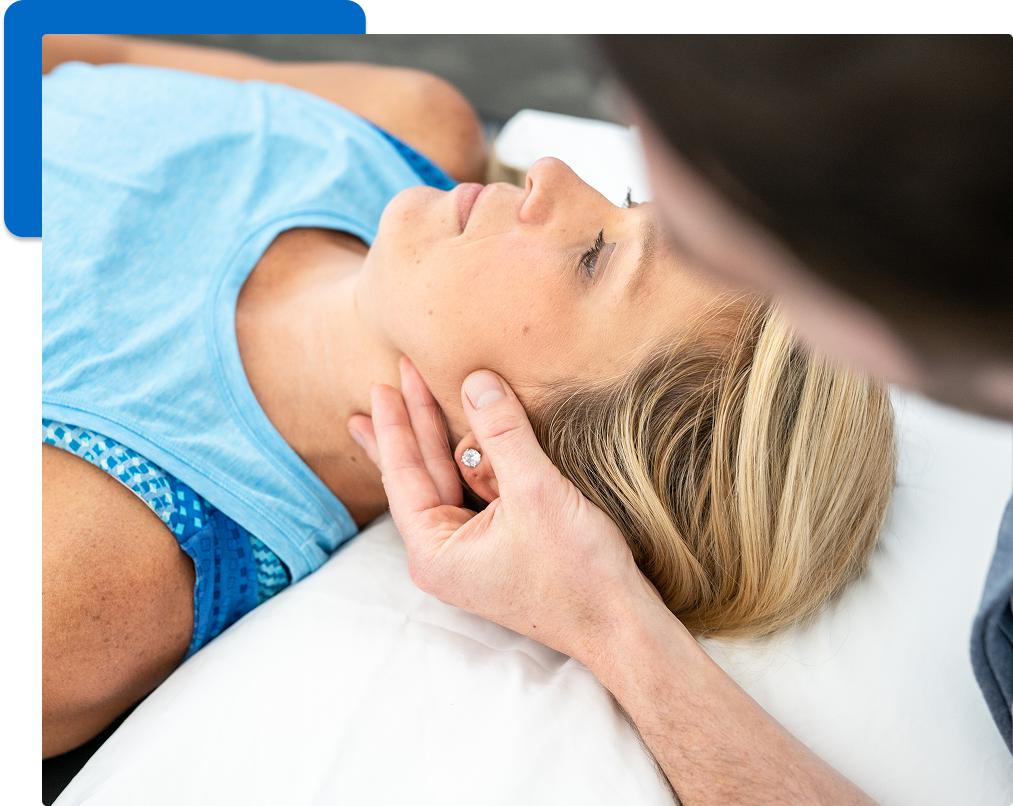
If dizziness or vertigo affects your balance, vestibular therapy can help recalibrate your system. Through gaze stabilization and movement retraining, therapists help your brain adapt to motion and improve stability in busy environments.
Neurological Rehabilitation
This therapy helps the nervous system recover function after damage or disease. Using targeted exercises, manual therapy, and sensory re-education, physical therapists teach your body how to regain coordination and control.
Strength and Gait Training
When muscles weaken or walking patterns change, therapy rebuilds strength and posture. Exercises target the legs, hips, and core to improve stability and confidence with every step.
Common Symptoms Signal When to See a Physical Therapist
If you experience some of the following symptoms, these may be early signs of a neurological or vestibular issue that can be improved with therapy:
- Dizziness and vertigo: Feeling like the room is spinning or that you are moving when you are not.
- Loss of balance or unsteadiness: Difficulty staying upright or feeling unstable, especially when walking, turning corners, or standing on uneven surfaces.
- Falls or near-falls: Stumbling, staggering, or feeling as if you are going to fall.
- Lightheadedness or fainting: A feeling of faintness or that you might pass out.
- Vision changes: Blurred vision, double vision, or a feeling of jumpy or distorted vision.
- Confusion or disorientation: Difficulty understanding your location or surroundings.
- Gait abnormalities: Walking with a wide stance or staggering.
- Nausea and vomiting: Feelings of sickness, which can be triggered by movement.
- Tinnitus: Ringing or other noises in the ears.
- Fatigue: Feeling unusually tired.
Early treatment helps prevent falls, restore control, and maintain independence. A physical therapist can identify what’s behind your balance issues and create a plan that meets your specific needs.
What to Expect From Balance Therapy at PT Solutions
At PT Solutions, balance therapy begins with a detailed evaluation to identify what’s causing instability, whether it’s a nerve issue, muscle weakness, or inner ear dysfunction. From there, your therapist designs a program specific to your condition and goals.
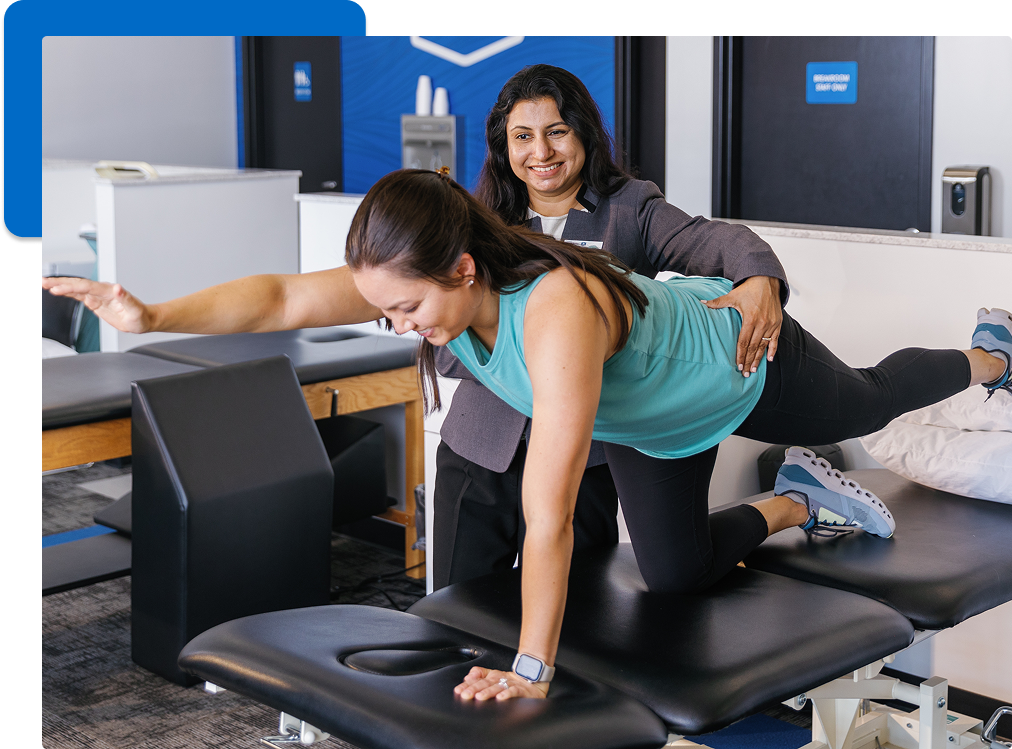
You’ll work on exercises that challenge coordination, strengthen key muscles, and restore safe movement patterns. Each session helps retrain how your body reacts to changes in position and environment. Over time, you’ll notice steadier steps and renewed confidence in everyday movement.
The Path Back to Steady Ground
Regaining your balance isn’t just about movement; it’s about confidence, safety, and freedom. Whether your imbalance comes from a neurological condition, nerve issue, or inner ear problem, physical therapy can help you get back to steady ground.
If balance problems are limiting your independence or confidence, our neurological rehabilitation team can help. PT Solutions offers personalized, evidence-based care to restore strength, coordination, and control. Find a clinic near you to get started.